

Table of Contents
Heat shrink tubing is one of the most widely used solutions for protecting, insulating, sealing and identifying wires, cables and electrical components. By applying heat, the tubing shrinks tightly around the underlying substrate, creating a durable layer of protection that enhances reliability and extends service life.
At DSG-Canusa, we offer a broad portfolio of heat shrink tubing solutions for demanding applications across transportation, industrial manufacturing, telecommunications, energy and infrastructure markets. Our products are designed to meet challenging environmental conditions while providing superior electrical insulation, mechanical protection and environmental sealing.
Whether you are looking for standard heat shrink tubing, dual-wall adhesive-lined products or specialized solutions for harsh environments, DSG-Canusa provides the expertise and product range to help you find the right solution.

Protect
Mechanical protection against abrasion and environmental exposure

Seal

Insulate

Identify
Clear identification and marking of wires and cable assemblies
Protect
Seal
Insulate
Identify
Clear identification and marking of wires and cable assemblies
What Is Heat Shrink Tubing?
Heat shrink tubing is a specially engineered polymer tube that shrinks when exposed to heat. It is commonly used to protect, insulate, seal and identify cables, wires, connectors and other electrical components.
Heat shrink tubing is available in various materials, wall thicknesses and shrink ratios to accommodate different application requirements. Depending on the product type, heat shrink tubing can provide:
- Electrical insulation
- Mechanical protection
- Environmental sealing
- Strain relief
- Cable bundling
- Component identification
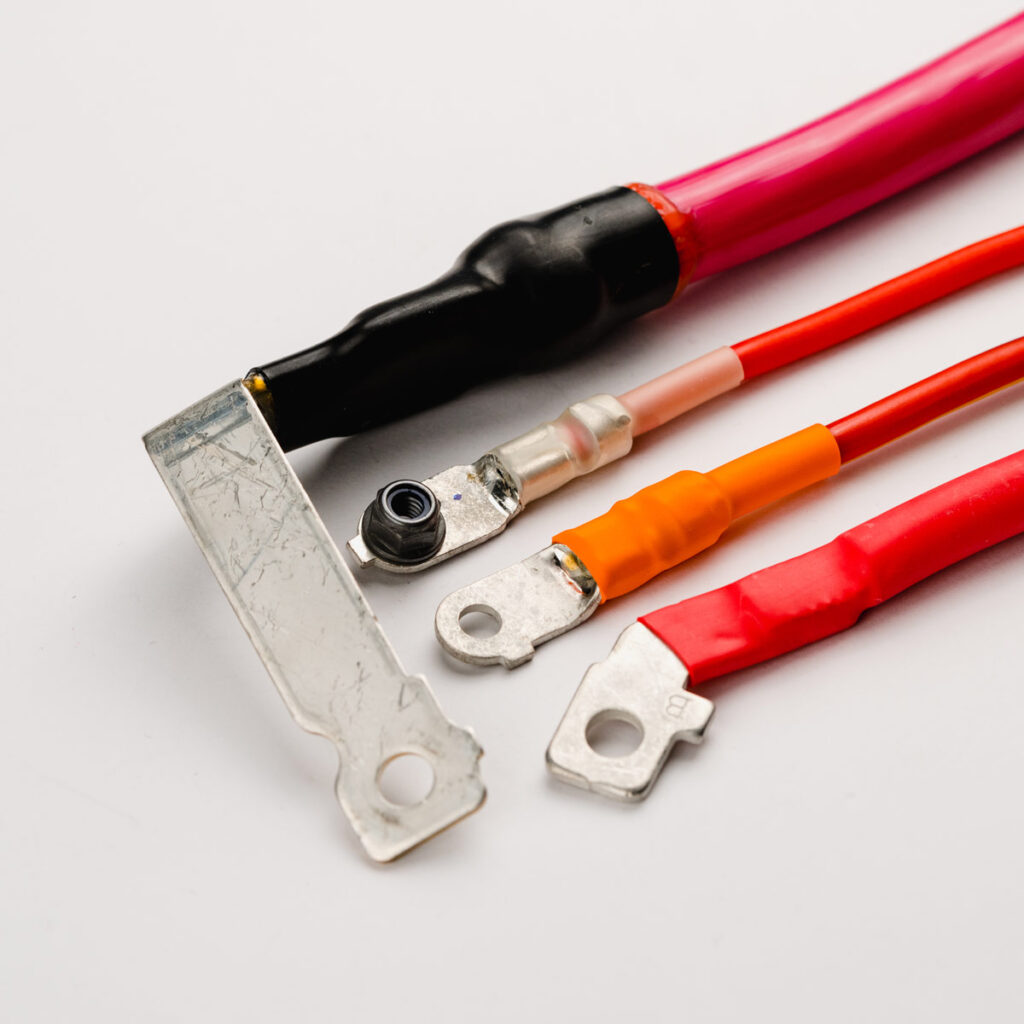
Applications of Heat Shrink Tubing
Heat shrink tubing is used across a wide range of industries and applications.
Automotive
Heat shrink tubing plays a critical role in protecting and insulating wiring harnesses, connectors and electrical systems in modern vehicles.
Railway
Heat shrink tubing supports reliable cable protection, insulation and identification in demanding rail and transit applications.
Telecommunications
Utilities and Infrastructure
Aerospace and Defense
Benefits of Heat Shrink Tubing
Heat shrink tubing offers numerous advantages:
Protection
Protects against abrasion and mechanical damage.

Electrical Insulation
Provides reliable electrical insulation for wires and cables.

Environmental Sealing
Seals against moisture, dust and contaminants.

Cable Management
Improves cable organization and routing.

Strain Relief
Reduces mechanical stress on connectors and assemblies.

Reliability
Enhances product reliability and service life.

Identification
Supports wire and cable identification.
Our Heat Shrink Tubing Portfolio
DSG-Canusa offers a comprehensive range of heat shrink tubing solutions designed for protection, insulation, sealing and identification across demanding industrial applications.
Single-Wall Heat Shrink Tubing
Standard insulation and protection for wires, cables and components.
Dual-Wall Heat Shrink Tubing
Adhesive-lined tubing for insulation and environmental sealing.
Heavy-Duty Heat Shrink Tubing
Maximum mechanical protection for harsh environments.
Medium-Wall Heat Shrink Tubing
Balanced protection and flexibility for utility and industrial applications.
High-Temperature Heat Shrink Tubing
Engineered for elevated operating temperatures and harsh environments.
Halogen-Free Heat Shrink Tubing
Low-smoke, halogen-free solutions for applications requiring enhanced safety.
Marker Sleeves
Reliable wire and cable identification solutions.
Specialty Heat Shrink Solutions
Application-specific products for challenging environments.
Explore our full product portfolio using our Product Search tool or contact our team for assistance in selecting the most suitable solution for your application.
Heat Shrink Tubing Products and Solutions
DSG-Canusa offers a comprehensive portfolio of heat shrink tubing products for cable protection, electrical insulation and wire management applications. Our solutions include heat shrink tubes, dual-wall adhesive-lined products, heavy-duty heat shrink tubing, heat shrink marker sleeves and specialized heat shrinkable tubing designed for demanding industrial environments.
As a global heat shrink tubing manufacturer and supplier, we support customers across transportation, energy, telecommunications and industrial markets with reliable heat shrink solutions and application expertise.
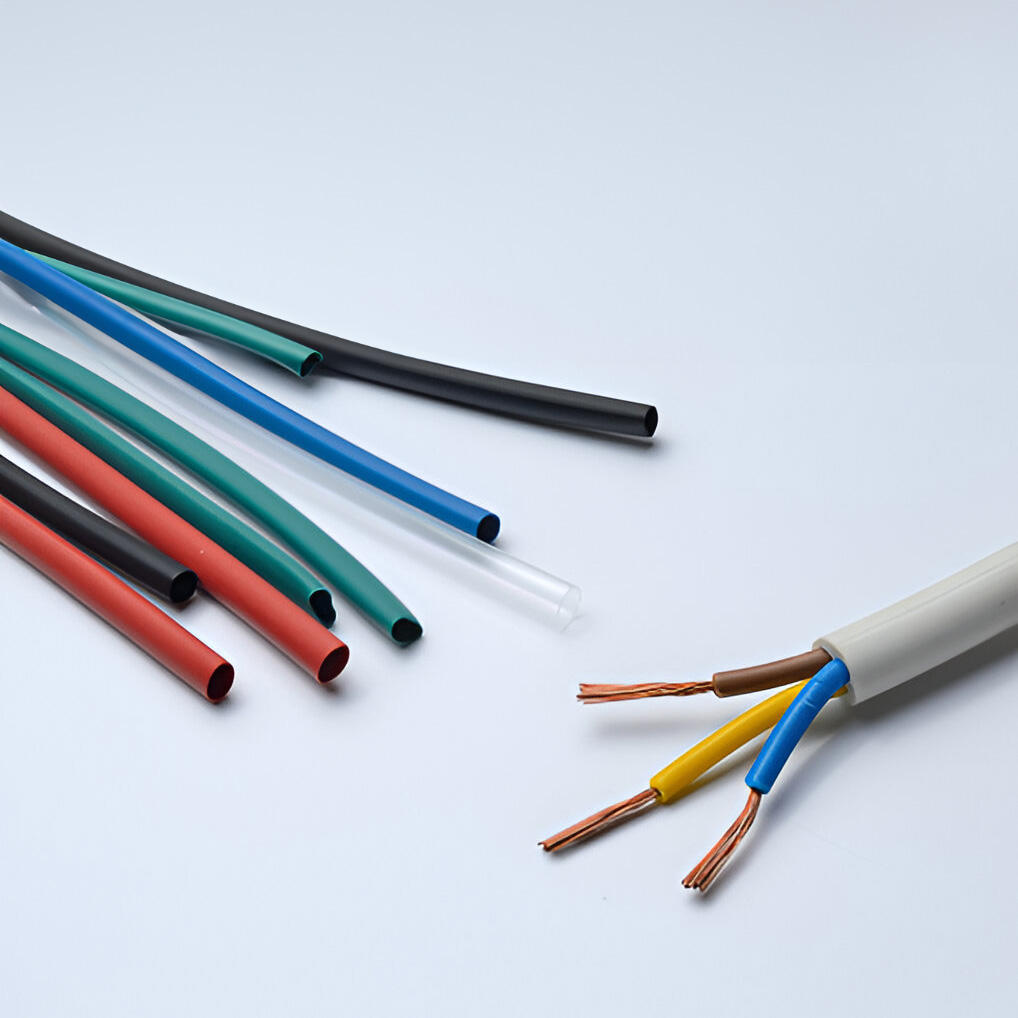
How to Select the Right Heat Shrink Tubing
Selecting the right heat shrink tubing depends on several factors:
Cable and Component Dimensions
Why It Matters
The tubing must fit easily over the largest component before shrinking while still providing sufficient recovery after installation.
Choosing the wrong diameter can result in:
- Difficult installation
- Incomplete recovery
- Poor protection
- Reduced sealing performance
Key Considerations
- Largest diameter before shrinking
- Smallest diameter after shrinking
- Connector and terminal sizes
- Installation tolerances
Typical Applications
- Wire harnesses
- Connectors
- Cable splices
- Sensor protection
Shrink Ratio
What Is a Shrink Ratio?
The shrink ratio describes how much the tubing can reduce in diameter when heat is applied.
Common Shrink Ratios
| Ratio | Typical Use |
| 2:1 | General wire and cable insulation |
| 3:1 | Components with varying diameters |
| 4:1 and higher | Connectors, splices and irregular shapes |
Example
A 4:1 heat shrink tubing can recover to one quarter of its supplied diameter, making it ideal for applications where large connectors must be covered before shrinking.
Environmental Conditions
Heat Shrink Tubing Must Match the Environment
Environmental conditions often determine product performance and service life.Temperature Exposure
High-temperature environments may require specialized heat shrink tubing designed for continuous thermal exposure.
Moisture and Water
Outdoor or buried applications often require enhanced sealing capabilities.
UV Exposure
Sunlight and weathering can impact performance if materials are not UV resistant.
Chemical Exposure
Applications involving fuels, oils or industrial chemicals may require specialty materials.
Mechanical Stress
Abrasion, vibration and movement can influence wall thickness and material selection.
Sealing Requirements
Does Your Application Need Sealing?
Not all heat shrink tubing provides environmental sealing.
Standard Single-Wall Heat Shrink Tubing
Provides:
- Electrical insulation
- Identification
- General protection
Adhesive-Lined Dual-Wall Heat Shrink Tubing
Provides:
- Environmental sealing
- Moisture protection
- Corrosion protection
- Long-term reliability
Typical Applications
- Automotive wiring
- Railway systems
- Outdoor installations
- Telecommunications infrastructure
- Utility networks
Industry Standards and Certifications
Compliance Requirements
Many industries require heat shrink tubing to meet specific standards and certifications.Depending on the application, requirements may include:
- Automotive specifications
- Railway standards
- Aerospace requirements
- Utility industry approvals
- Environmental regulations
- Fire safety requirements
Common Product Characteristics
- Halogen-free
- Flame-retardant
- Low-smoke
- High-temperature resistant
- Chemical-resistant

Not Sure Which Heat Shrink Tubing Fits Your Application?
Selecting the right tubing often depends on a combination of dimensions, environmental conditions, performance requirements and industry standards.
Our technical experts can help identify the most suitable heat shrink tubing solution for your specific application.
Why Choose DSG-Canusa?
For more than 50 years, DSG-Canusa has been a trusted manufacturer of heat shrink tubing and cable protection solutions.
Our customers benefit from:
- Extensive product portfolio
- Global manufacturing footprint
- Technical expertise and application support
- Industry-recognized certifications
- Consistent product quality
- Reliable global supply chain capabilities
With manufacturing operations in Germany, North America and China, DSG-Canusa serves customers worldwide with high-quality solutions designed for demanding applications.
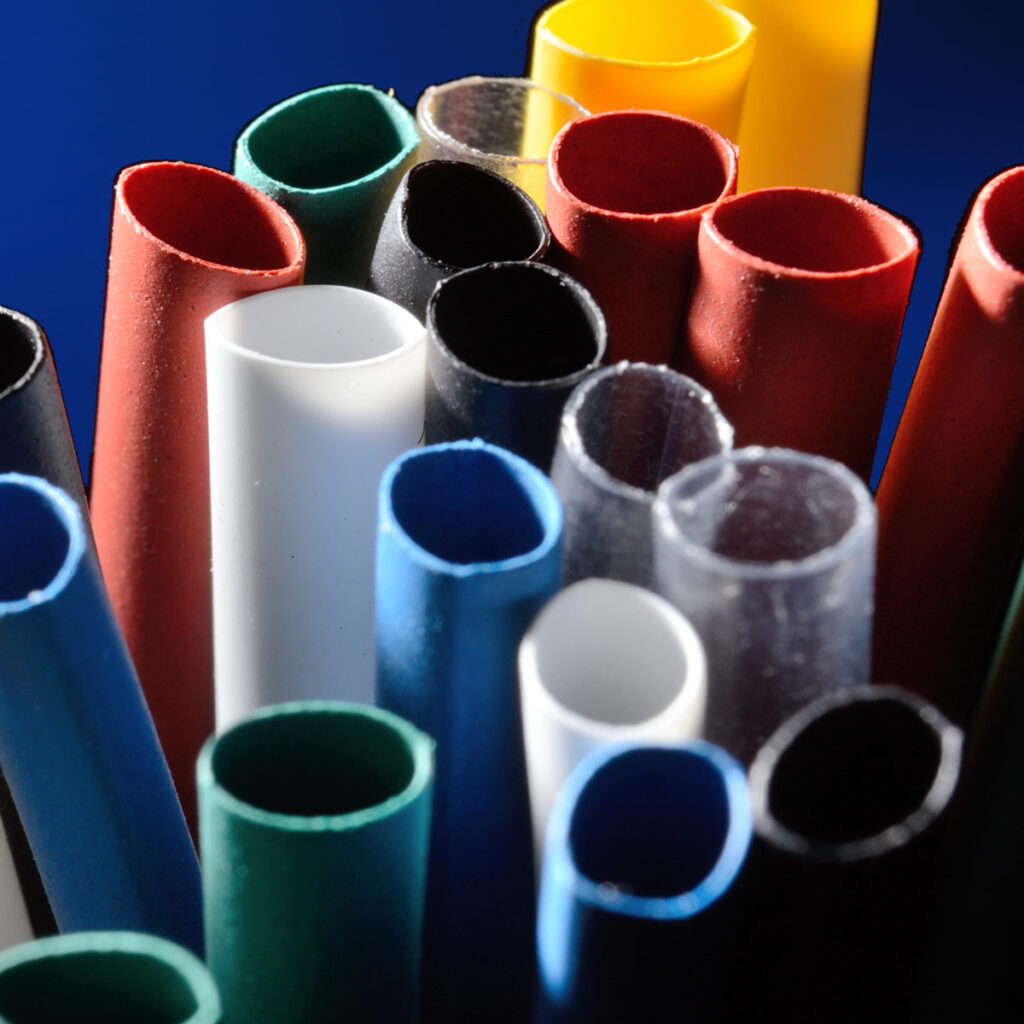
Frequently Asked Questions (FAQ)
What is heat shrink tubing?
Heat shrink tubing is a polymer tube that shrinks when heat is applied. It is commonly used to protect, insulate, seal and identify wires, cables and electrical components.
What is heat shrink tubing used for?
Heat shrink tubing is used for cable protection, electrical insulation, environmental sealing, strain relief and wire identification across a wide range of industries.
How does heat shrink tubing work?
When heat is applied, the tubing shrinks to a predetermined diameter and conforms tightly around the cable, wire or component underneath.
What is the difference between single-wall and dual-wall heat shrink tubing?
Single-wall tubing primarily provides insulation and protection. Dual-wall tubing includes an adhesive layer that creates additional environmental sealing against moisture and contaminants.
What shrink ratio should I use?
The correct shrink ratio depends on the difference between the expanded diameter and the recovered diameter required for your application. Common options include 2:1, 3:1 and 4:1.
Is heat shrink tubing waterproof?
Adhesive-lined dual-wall heat shrink tubing can provide excellent resistance to moisture and environmental exposure when properly installed.
What materials are used for heat shrink tubing?
Common materials include polyolefin, fluoropolymer, elastomer and other specialty compounds designed for specific application requirements.
How do I choose the right heat shrink tubing?
Key considerations include cable size, operating temperature, environmental conditions, required certifications and whether additional sealing is needed.
Can heat shrink tubing be used outdoors?
Yes. Many heat shrink tubing products are specifically designed to withstand UV exposure, moisture and harsh outdoor environments.
Does DSG-Canusa manufacture heat shrink tubing?
Yes. DSG-Canusa is a global manufacturer of heat shrink tubing and related cable protection solutions, with manufacturing facilities in Germany, North America and China.

